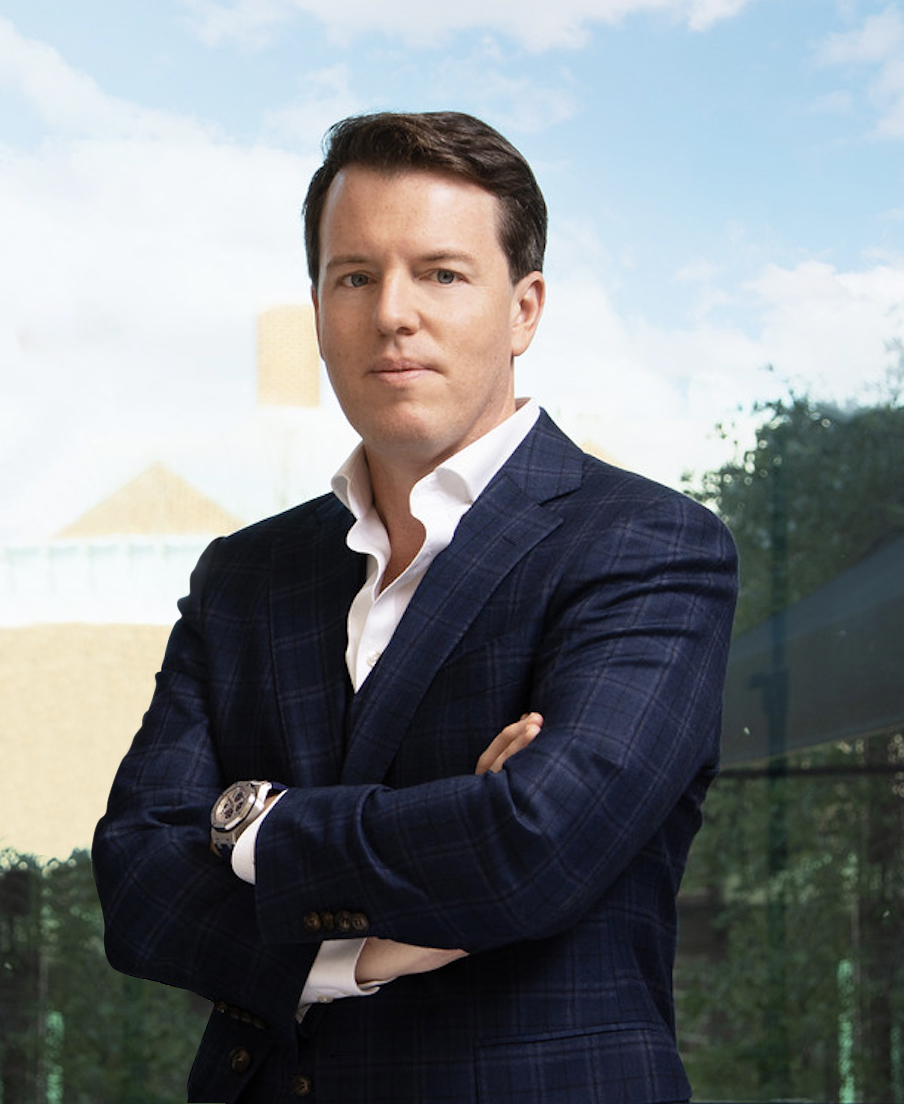
I spent 24 years building a company from scratch — through good decisions, bad ones, a financial crisis, a pandemic, difficult partnerships, and a successful exit. Now I write and consult for entrepreneurs who want the truth, not the highlight reel.
For the entrepreneur who wants the truth, not the polished version.
Too many business books are written by people at the very top — the billion-dollar founders, the Harvard MBAs, the venture-backed success stories. This isn't that book.
Six Pringles is written for the everyday entrepreneur — the people that work hard to make payroll, hire imperfect people, navigate crises without a safety net, and wonder — more often than they admit — if it's all worth it. It is.
"I did as many things right as I did wrong. This book is an honest look at both — because that's the only kind of advice worth giving."
The title comes from a moment in childhood that taught me everything I needed to know about scarcity, gratitude, and the drive to build something of your own. It shapes every chapter that follows.
What the book covers
"This is entrepreneurship — lonely and exhausting, fun and rewarding, often at the same time."
I work with small business owners and aspiring entrepreneurs — not on theory, but on the real decisions that define whether a business thrives or struggles.
Helping owners think clearly about growth, direction, and the decisions that matter most. From pricing and positioning to knowing when to veer and when to hold the course.
Strategy & GrowthBuilding a business that doesn't depend entirely on you. Org structure, people, processes, and the standard operating procedures that actually get followed.
OperationsMost owners think about exits too late. I help you build toward a sellable business early — understanding your value drivers, your numbers, and what a buyer actually cares about.
Exits & TransitionsThe hardest part of business isn't strategy — it's the humans. I help owners put the right agreements and relationships in place before problems force the issue.
PartnershipsThinking of making the leap? I help aspiring entrepreneurs understand what they're actually signing up for — the emotional toll, the financial realities, and how to start smart.
Transition CoachingNobody prepares you for the silence after the exit. The identity loss, the restlessness, what comes next. I'm living it and thinking about it honestly — and I can be a useful thinking partner.
Post-Exit LifeA Practice by Joseph Colao
Most leaders believe they're operating from confidence. Most organizations reflect something else. The difference between the two isn't obvious — until it's already cost you something.
"Both make you bold. Both make you decisive. Both make you willing to take the leap. The difference only shows under pressure. Confidence adapts. Ego digs in."
The Distinction
Asks what it doesn't know
Adapts when the facts change
Gives credit without losing authority
Hears hard feedback and stays curious
Makes decisions for the business, not for the room
Builds teams that don't need to be managed through fear
Performs certainty it doesn't have
Doubles down when challenged
Takes credit, assigns blame
Interprets honesty as disloyalty
Makes decisions to be right, not to be effective
Creates cultures where no one tells the truth
The problem isn't that leaders have ego. Everyone does. The problem is when they can't tell which one is making the decision.
It starts at the top. A direct conversation with the leader or leadership team — not a questionnaire. How they describe the problem already tells most of the story.
We go wide into the organization. Managers, teams, direct reports. We're looking for the gap between how leadership sees itself and how the organization actually experiences it. That gap is where the work lives.
Findings go back to leadership — directly, without softening. From there, the path is theirs to choose: a workshop to move the organization, or a deeper ongoing engagement to work on themselves.
For leadership teams and managers who want to understand what lens is driving their culture — and what it's costing them. The diagnostic, the 360, the debrief, and a workshop that gives the organization a shared language and a direction.
Works across company sizes. Particularly effective in organizations where growth has outpaced the culture, or where trust between leadership and teams has quietly eroded.
An ongoing relationship, not a project. We sit together regularly and examine real decisions as they happen — not in retrospect, but while the stakes are still live.
The question we keep returning to: is this decision being made from confidence or ego? Over time, that question changes how you lead. Limited engagements. By conversation only.
Honest About Who This Is For
"That is what it means to be an entrepreneur. It is lonely and exhausting, and fun and rewarding, often at the same time."
— Six Pringles
I didn't go to business school. I didn't raise venture capital. I built a business over 24 years — through good markets and devastating ones, through great hires and catastrophic ones, through partnerships that tested everything I had. Then I sold it.
Everything I know about entrepreneurship came from doing it. That's the only kind of advice I offer — and I believe it's the most useful kind, especially for the business owner who isn't running a startup or chasing a unicorn, but is simply trying to build something real and exit well.
Start a ConversationWhether you want to be notified when the book launches, or you're interested in working together — I'd genuinely like to hear from you.